
The Tottori Sand Dunes at a glance
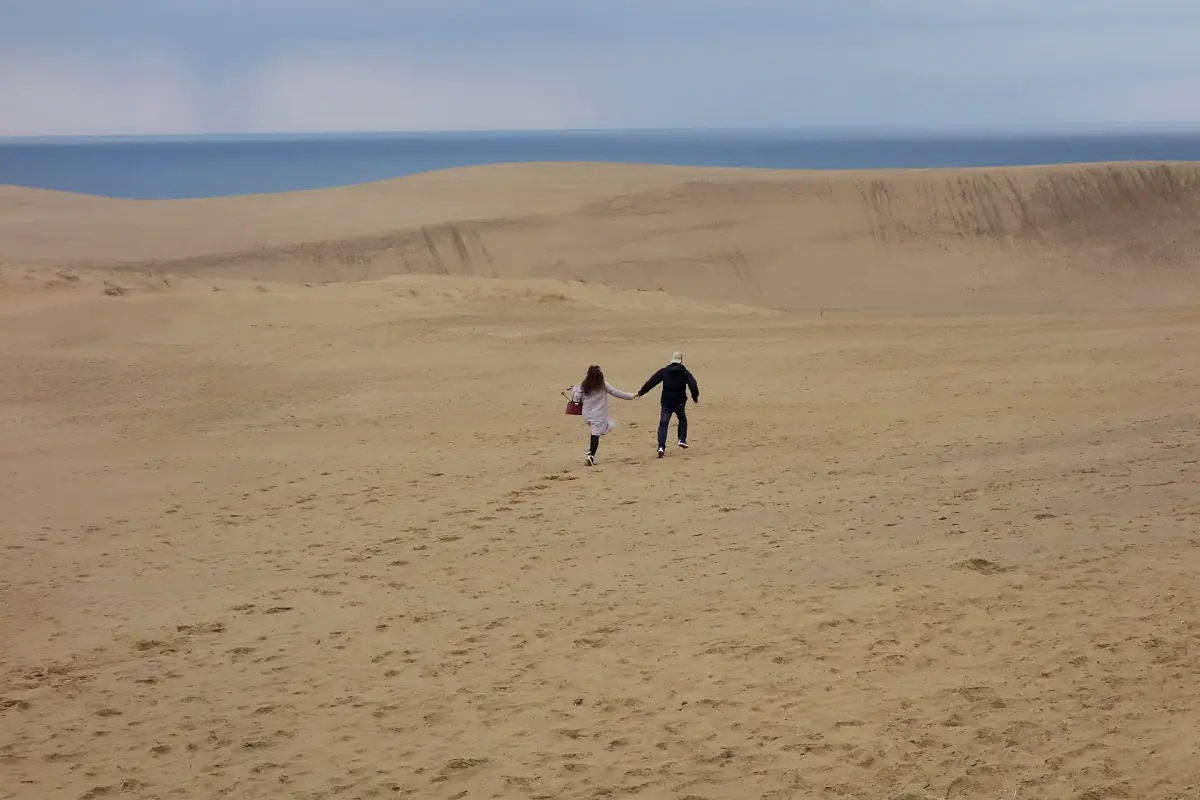
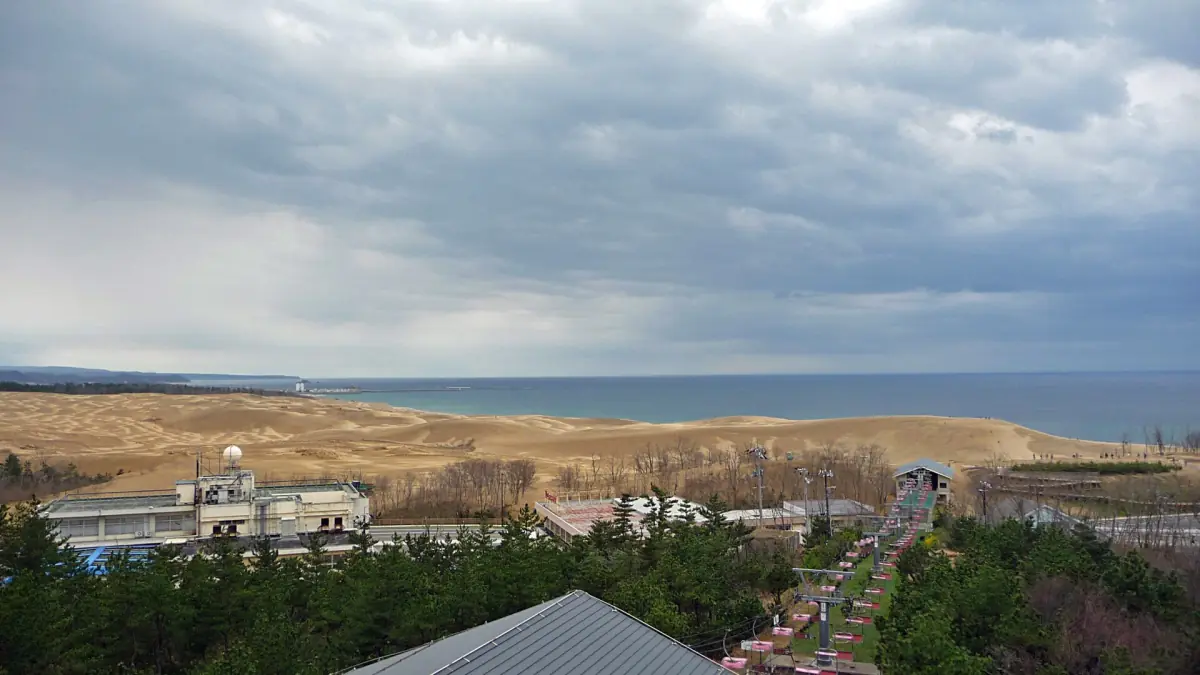
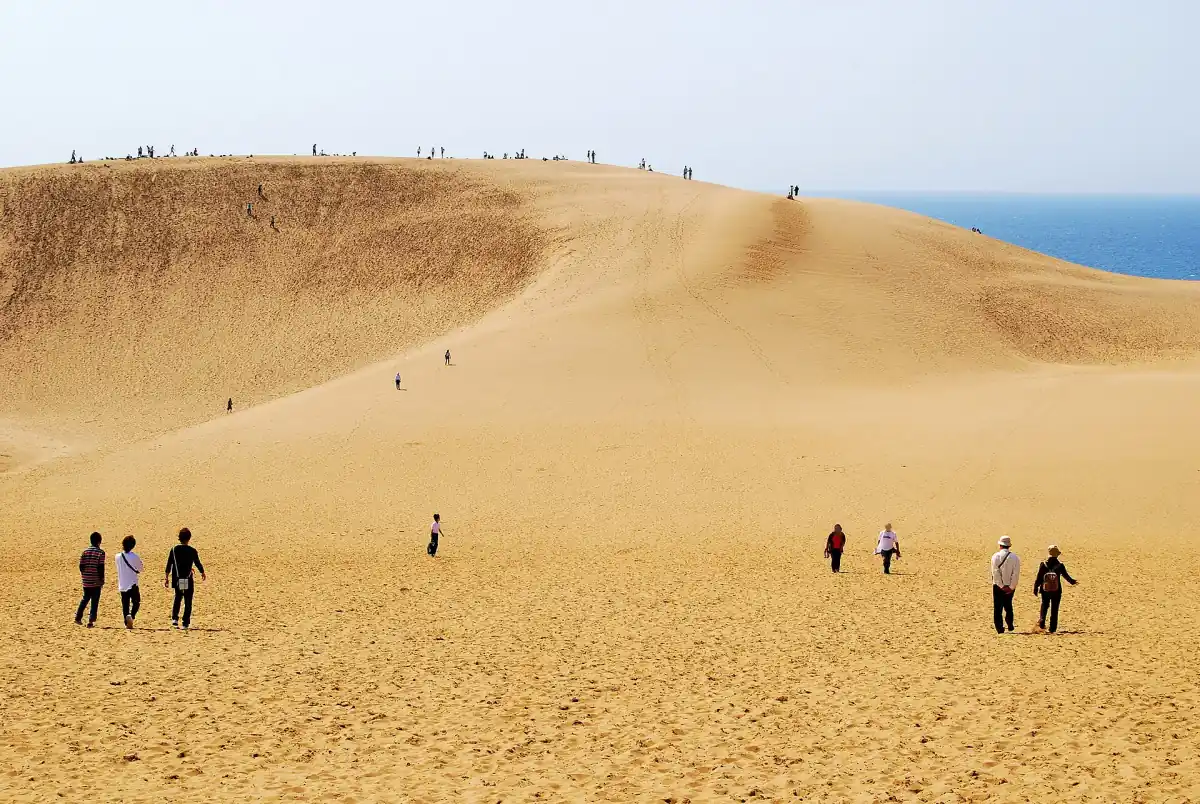
The Tottori Sand Dunes, also called Tottori Sakyu, are a stretch of coastal dunes on the Sea of Japan in the city of Tottori, in the east of Tottori Prefecture. Searches for the Tottori dune, Tottori sand or the sand dunes of Japan all lead to the same place. What most visitors see is only one part of a much larger dune landscape along the coast, with the Sea of Japan behind the highest ridge.
Despite what some people call it, this is not a desert. The dunes are a coastal system fed by sand from rivers and the sea, and the open sand you walk on is looked after on purpose so that plants do not take it over. Walking on it takes only sturdy shoes, water and a bit of time. Walkers, photographers and families with children come here, and so do people who want to try sandboarding or paragliding.
Our picks: Tottori Sand Dunes tours
For a short walk on the sand, the guided dune walk is the simple choice, and the Okayama bus trip suits a single day out. The two-day tour from Kyoto is for anyone who also wants the San'in coast.
Hand-picked tours, booked through GetYourGuide. Prices are indicative starting prices in US dollars (as of October 2026). Tap a tour for live availability and the current price in your currency.
Two days from Kyoto: Amanohashidate, Ine and the San'in coast
- All entry fees
- Cable car and boat ride
- Hotel accommodation
A two-day bus tour from Kyoto along the San'in coast, with the dunes on the second day. Meals and a twin-share hotel room are covered, a single room costs extra.
Check availability →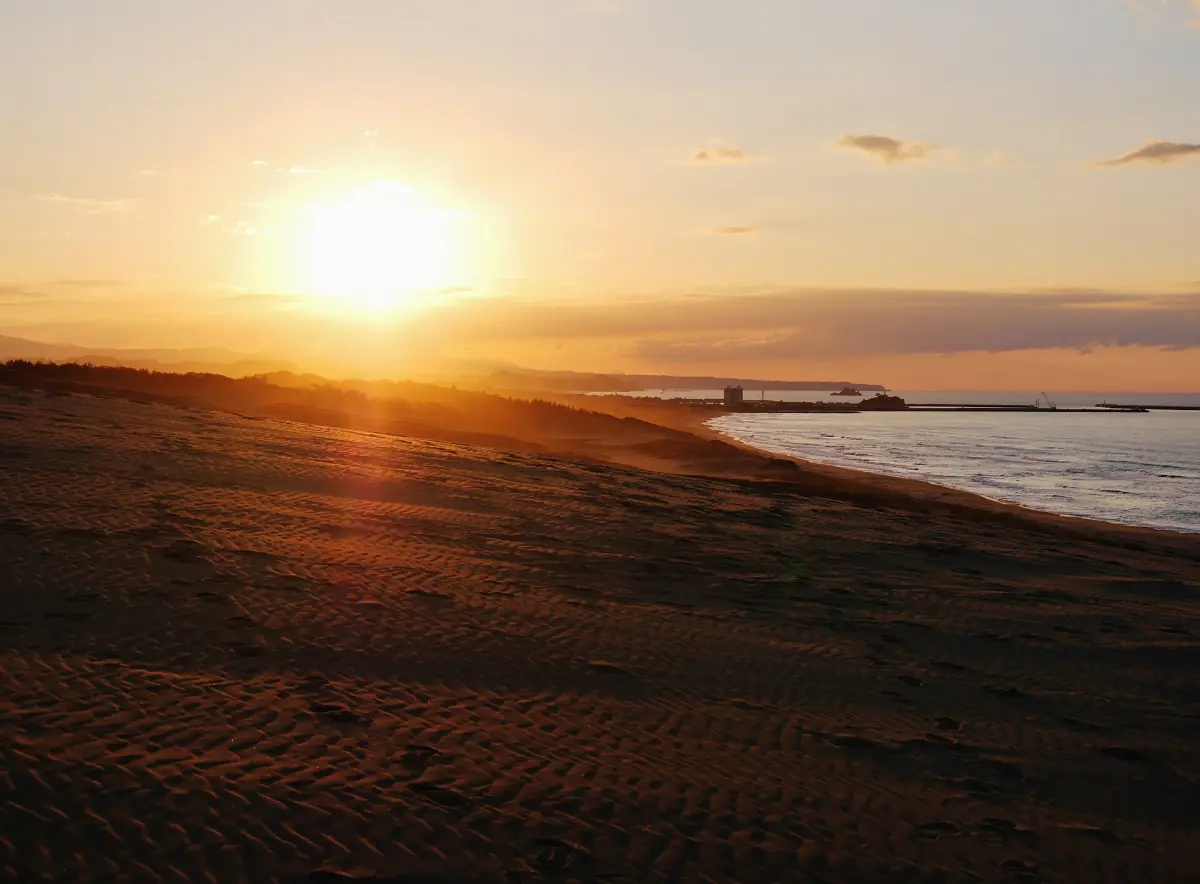
Day trip from Okayama: dunes, Conan Town and fruit picking
- Round-trip bus transportation
- Multilingual guide
- Fruit picking
An all-day bus trip of about 10 hours from Okayama that reaches the dunes and also covers the Gosho Aoyama Manga Factory. Personal expenses are extra.
Check availability →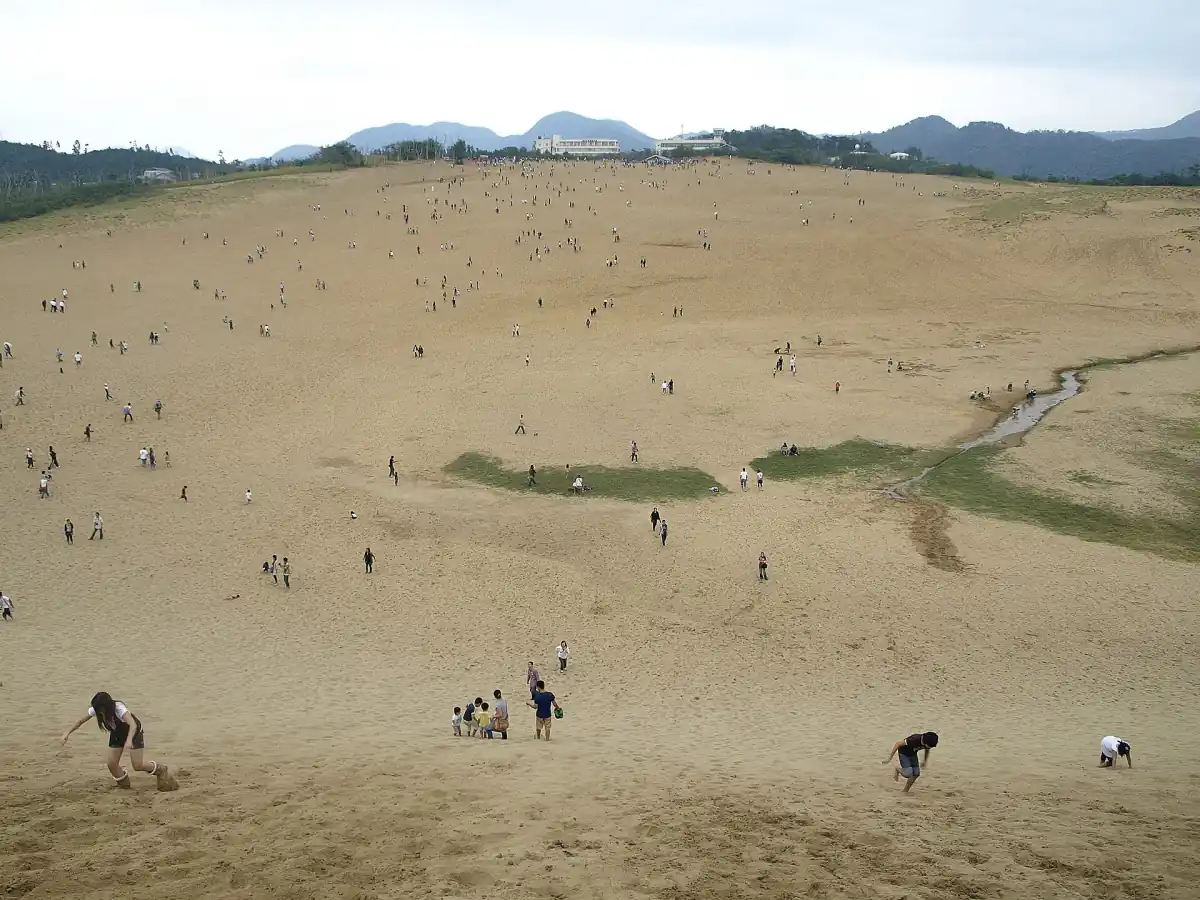
Guided walk through the Tottori Sand Dunes
- Guided Sand Dunes tour
- Sand Dunes Visitor Center visit
A short guided walk across the dunes that also stops at the visitor center. No special equipment is part of it.
Check availability →Tottori Sand Dunes tours and day trips
A guided walk with the visitor center, a day trip from Okayama station and a two-day tour from Kyoto: the offers here all include the dunes.
Free entry, visitor center and opening times
You can walk onto the dunes without a ticket.
Entry to the Tottori Sand Dunes costs nothing, and you do not need a reservation if you visit on your own without a guide. According to the visitor center the dunes can be reached by day and by night. The Tottori Sakyu Visitor Center, the first stop for many people, is free as well. It is open from 09:00 to 17:00 and has displays on how the dunes formed, information about the area and staff who answer questions. Outside there is a place to wash your feet and a towel machine, and wheelchairs meant for the dunes can be borrowed at the reception without a reservation. That does not make the whole route barrier free, so ask there before you set off. Check the current opening hours before you go.
If you arrive by car, the nearest paid car park is Tottori Sakyu Parking. A car costs 500 JPY, and the fee is due again after each 24 hours. The Sakyu Center and the municipal lot next to it are listed as free, and from the Sakyu Center you can walk to the dunes. The chairlift there is a convenience, not an entry requirement. Bus passengers get off at the terminus near the museum, more on that on our getting there page.
The dunes in the evening and at night
Evenings and stargazing are possible times to visit, depending on the weather. In May to August the sun can set over the sea, which is not the case all year. A free light event around the dune car park is announced for 21 November to 6 December 2026, from 18:00 to 21:00, and it is a dated event, not a permanent lighting of the dunes.
Umanose ridge and the sea view
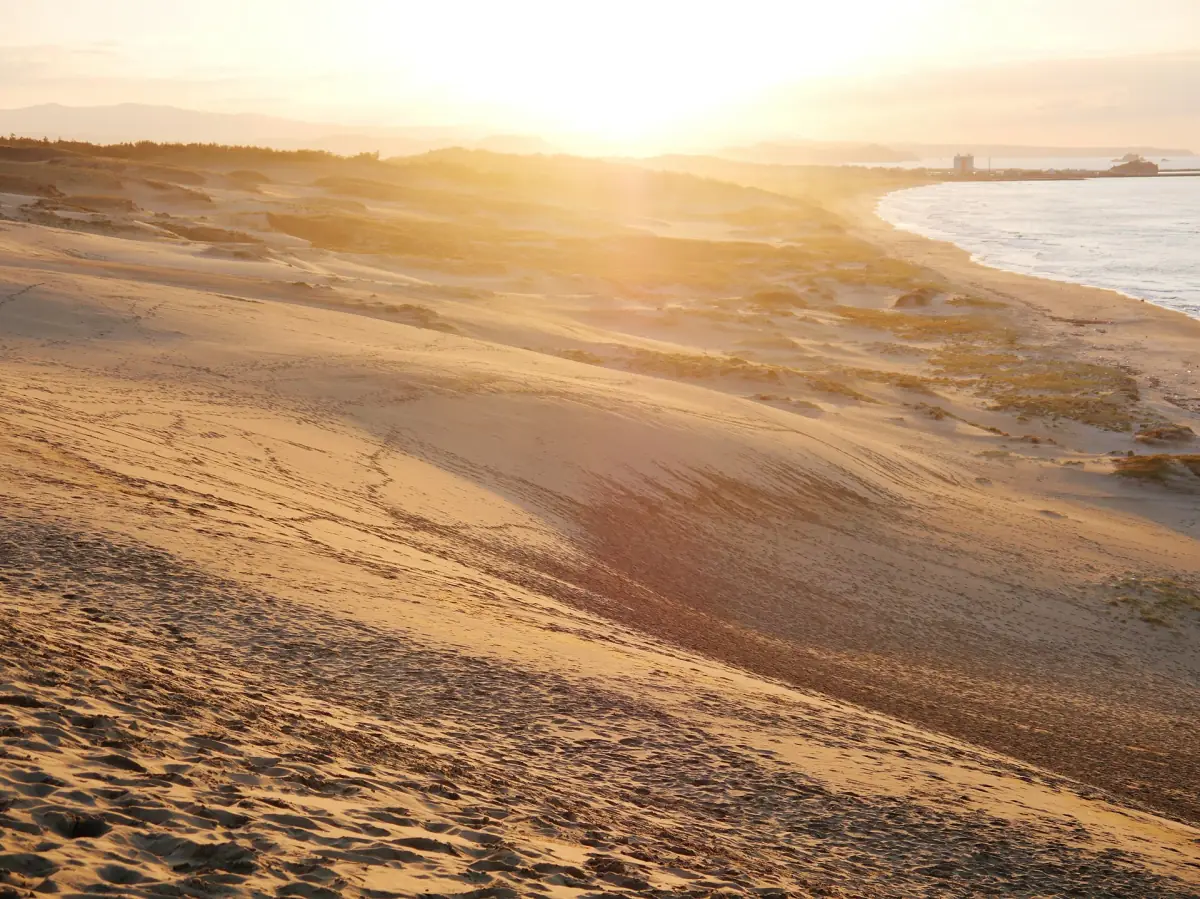
The best known spot is Umanose, a ridge that is described as the second row of dunes and rises about 47 m above the sea. That figure is the height above sea level, not the climb from the car park, so do not expect a mountain hike. The walk is still tiring, because every step in loose sand takes more effort. From the top you look out over the Sea of Japan, and the slope behind you is cut by wind ripples.
Wind and light change the pattern all the time, so nobody can promise the same ripples on a given day. The tourism portal of the city says that the early morning often leaves untouched patterns, and low sun in the morning or evening throws the ripples into relief. In summer the sand can heat up to about 60 °C and there is no shade, so wear shoes and socks rather than sandals or bare feet, and bring water and sun protection. Camel rides are only offered near the foot of the slope and never across Umanose. The chairlift from the Sakyu Center takes about 5 minutes each way and does not reach the ridge.
For more on how the dunes formed and why they are looked after, read the facts and history page.
Rules on the dunes
The dunes are a protected area, and a few rules apply.
Do not write or draw in the sand. This is forbidden under a prefectural ordinance, and the prefecture names an administrative fine of up to 50,000 JPY for certain violations. Take your rubbish with you, keep dogs on a lead and carry dog waste out. Do not take sand away as a souvenir, and do not drive onto the sand. Tents and other temporary structures need a permit. You cannot swim in the sea directly in front of the dune protection zone, and you should not read that as a ban on every other beach nearby.
For drones, a flight has to be reported to the visitor center at least one week ahead. The wind must stay at or below 5 m/s, you must keep the drone in sight and you must not endanger other people. For 2026 the visitor center asks pilots to refrain from 25 April to 10 May, from 8 to 16 August, from 19 to 27 September and from 26 December 2026 to 3 January 2027, when many visitors are expected. If you plan elaborate shoots with props, a TV crew or group photos, report them to the visitor center in good time.
The Sand Museum
Sand sculptures instead of dunes, under a roof.
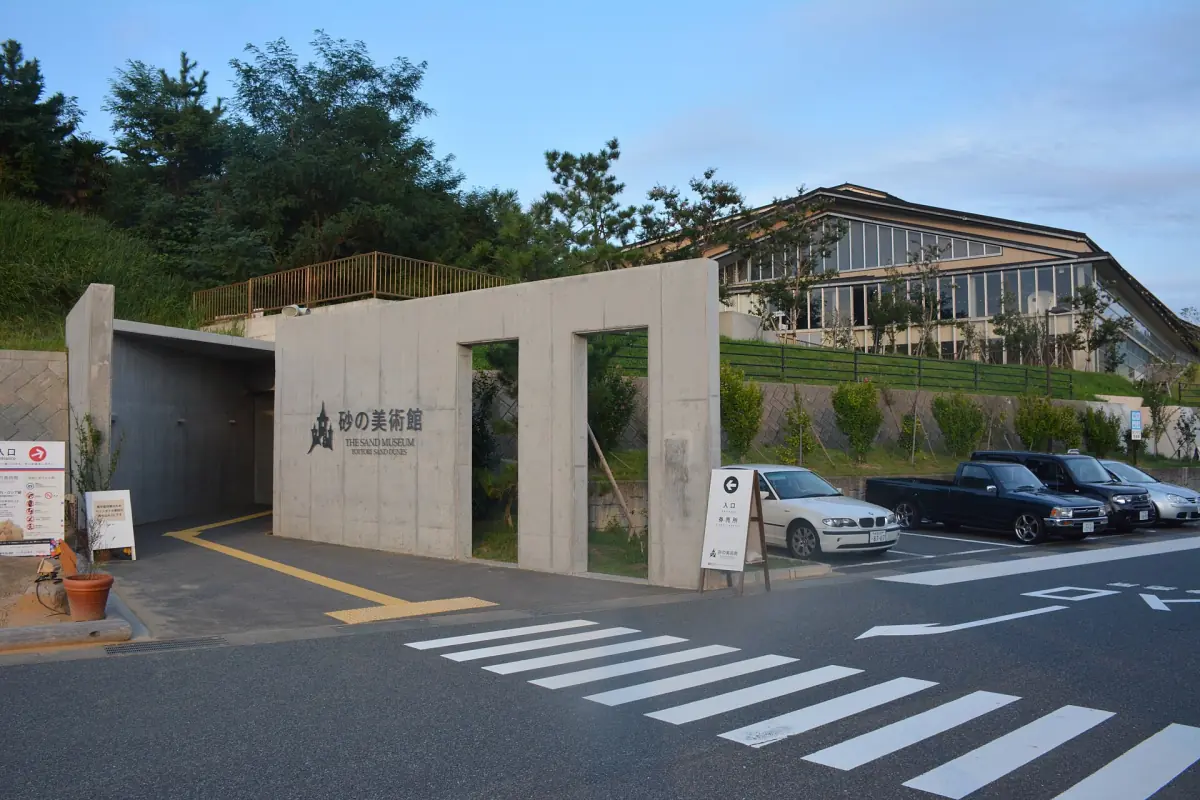
Right by the dunes stands the Sand Museum, where sculptors build large figures from sand. In 2026 the 17th exhibition is dedicated to Spain and runs from 24 April 2026 to 3 January 2027. Unlike the dunes, the museum charges admission, and the free dune entry does not replace a ticket. Prices, hours, the side gate and the evening projection in November and December are on the Sand Museum page.
Camels, sandboarding and paragliding
What you can do on the sand, and what to expect.
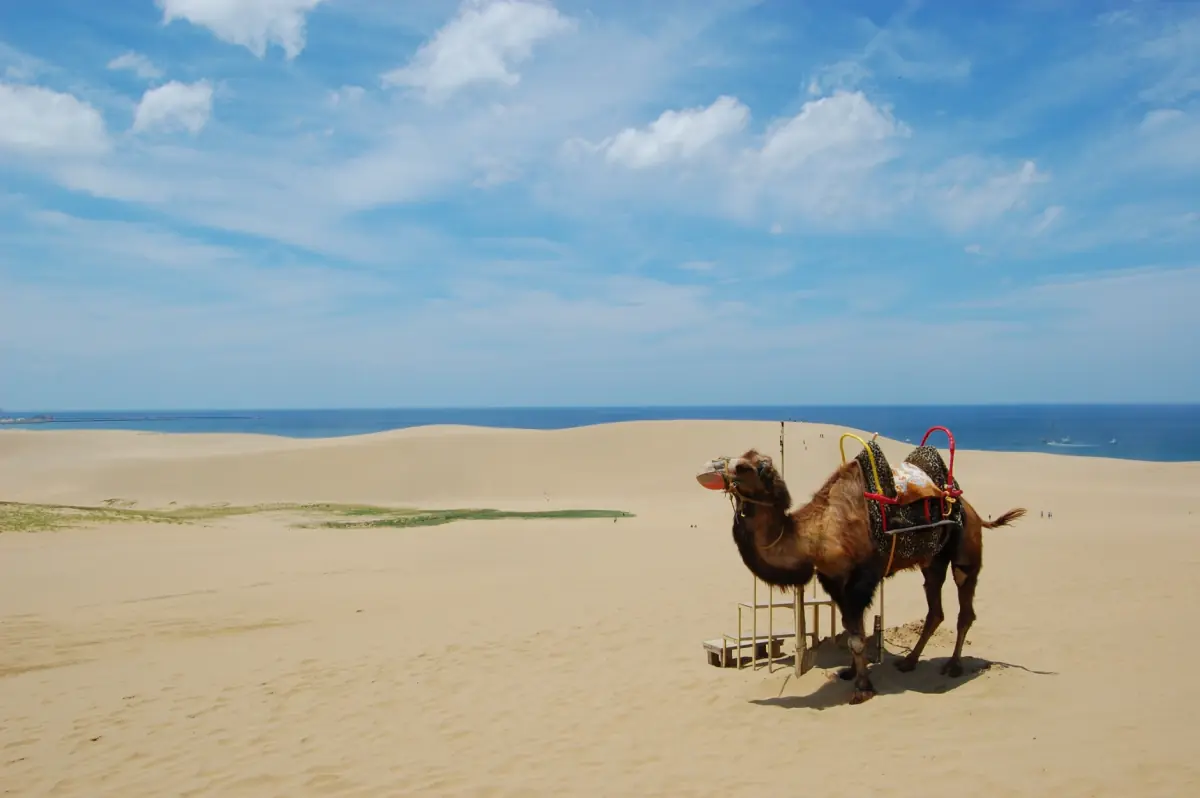
A camel stands near the foot of the slope for photos, and a photo on the camel costs 650 JPY, a photo next to it 100 JPY. A short ride costs 1,600 JPY for one person and 2,600 JPY for two, but do not count on it: on weekends, public days off, school breaks, Golden Week and Silver Week only photos are offered, and on weekdays photos are usual too. Rain, strong wind and the condition of the animals can stop the service, and there are no reservations. Sandboarding runs in sessions of about two hours, with an example price of 4,500 JPY plus 500 JPY insurance, and a board is for ages 10 and up. Paragliding courses for beginners exist. No flight is guaranteed in poor weather. The activities page has the details and the fat bike tour.
Beyond the dunes
The coast and the prefecture around the dunes.
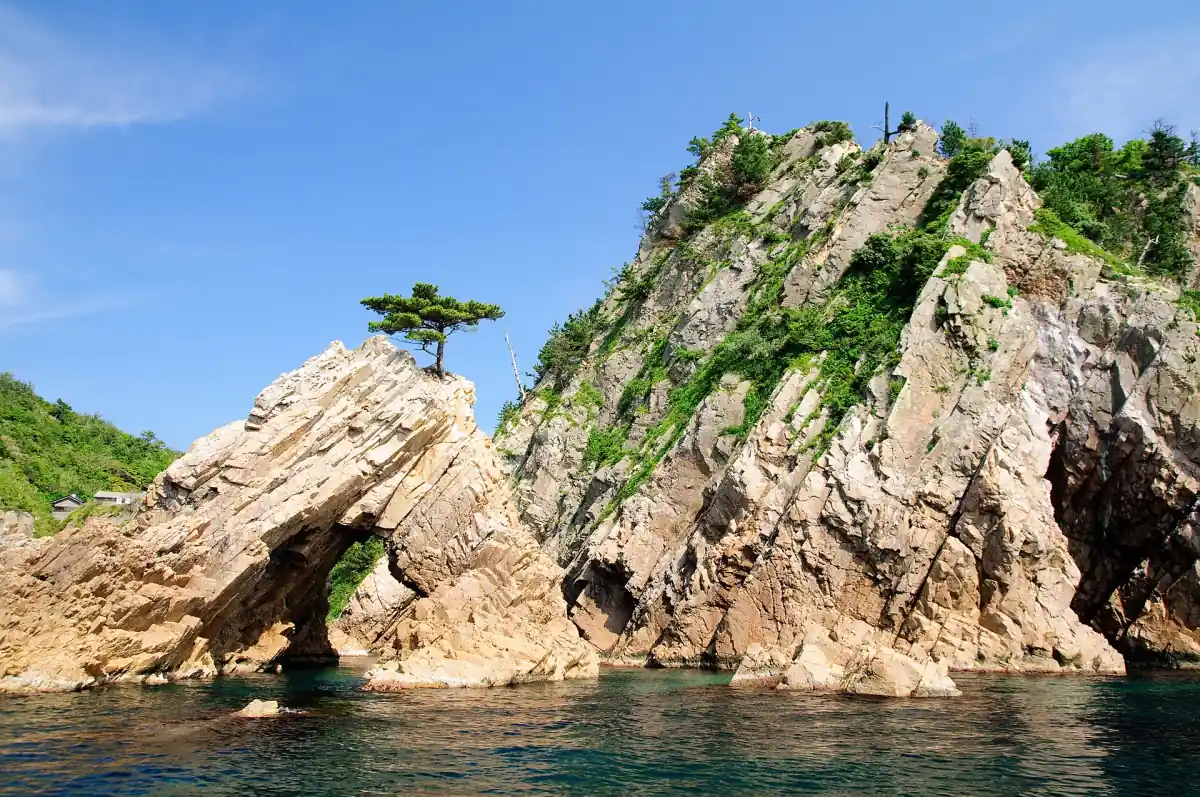
The nearest side trip is the Uradome Coast with its rocky islets, which you can see from sightseeing boats. Our Uradome Coast page covers the boats, the seasons and the bus. Daisen, the hot springs, Sakaiminato and Kurayoshi are further afield, and the sister site visit-tottori.org covers the whole prefecture. Day trips that start elsewhere sometimes combine the dunes with Conan Town, which is described on our tours page.
All pages of this guide
Pick the topic you need.
Tottori Sand Dunes tours
A day trip from Okayama and two-day tours from Osaka.
Sand Museum
The Spain exhibition, admission, hours and the evening projection.
Camels, sandboarding, paragliding
Prices, seasons and what is possible on the day.

How to get there
Bus 39 from Tottori Station, the airport and the train from Osaka.
Where to stay
Areas near the dunes, the station and the hot spring town.
Best time to visit
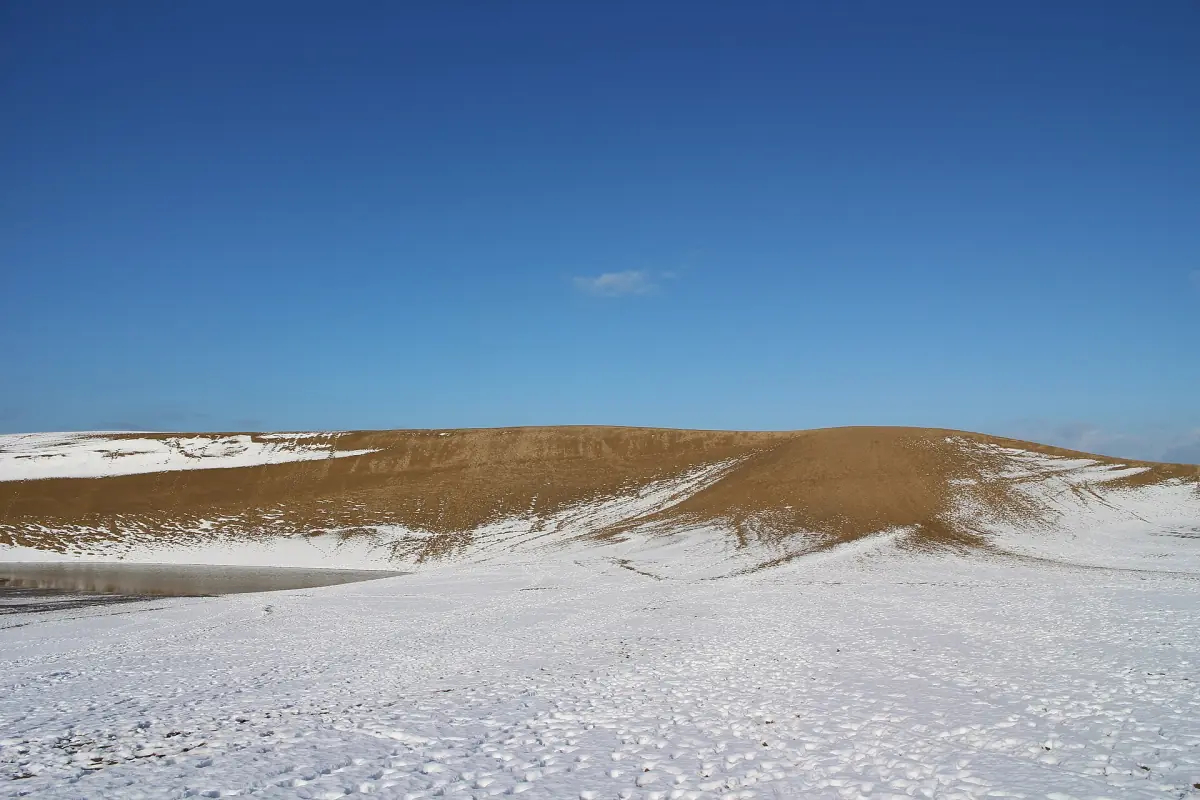
Climate by month, summer heat and winter snow.
Facts and history
How the dunes formed and how they are protected.
Uradome Coast
Sightseeing boats, the bus and the geopark.
Good to know
Practical points for your visit.
Heat on the sand
In summer the surface can reach about 60 °C and there is no shade. Wear closed shoes with socks and carry water.
Climate by month →Parking
Tottori Sakyu Parking charges 500 JPY per car and 24 hours. The Sakyu Center lot and the municipal lot next to it are listed as free.
Getting there →Camel rides are not certain
On many days only photos are offered. Treat a ride as a bonus and check the page before you plan around it.
Activities →Museum and dunes are separate
The dunes are free, the Sand Museum has its own ticket, and its Spain exhibition runs until 3 January 2027.
Sand Museum →More independent guides to Tottori
Separate guides from the same team.
Tottori Sand Dunes: frequently asked questions
Is entry to the Tottori Sand Dunes free?
Yes. Entry to the dunes costs 0 JPY, and you do not need a reservation if you visit without a guide. The Sand Museum is a separate building with its own admission, and parking costs 500 JPY at the paid lot.
Are the dunes open at night?
According to the visitor center the dunes can be reached by day and by night. The visitor center itself is open from 09:00 to 17:00. Bring a light and keep to the usual rules.
Are the Tottori Sand Dunes a desert?
No. They are coastal dunes by the Sea of Japan, and the open sand is kept free of plants on purpose. The facts page explains how they formed.
Can I ride a camel?
Do not plan on it. A short ride costs 1,600 JPY for one person, but on weekends, public days off and school breaks only photos are offered, and on weekdays photos are usual. See the activities page.
How do I get to the dunes from Tottori Station?
Take bus 39 from bay 0 at the station. The example run takes 22 minutes and costs 380 JPY, based on the timetable of 1 April 2026. Check the current timetable on the getting there page.
Is tottori-sand-dunes.org the official website?
No. This is an independent travel guide. It is not the official website of the Tottori Sand Dunes, the Sand Museum, Tottori Prefecture or the city of Tottori, and no operator runs it.